Athletic Club’s shirts are one of the most recognisable hallmarks of European football. From the first kits of the late 19th century to today’s kits, each design tells a part of the history of the club and of Bilbao. At the AC Museoa / Museum, visitors can trace this evolution through some of the most iconic shirts in the club’s history.
The evolution of the Athletic Club shirt over the decades
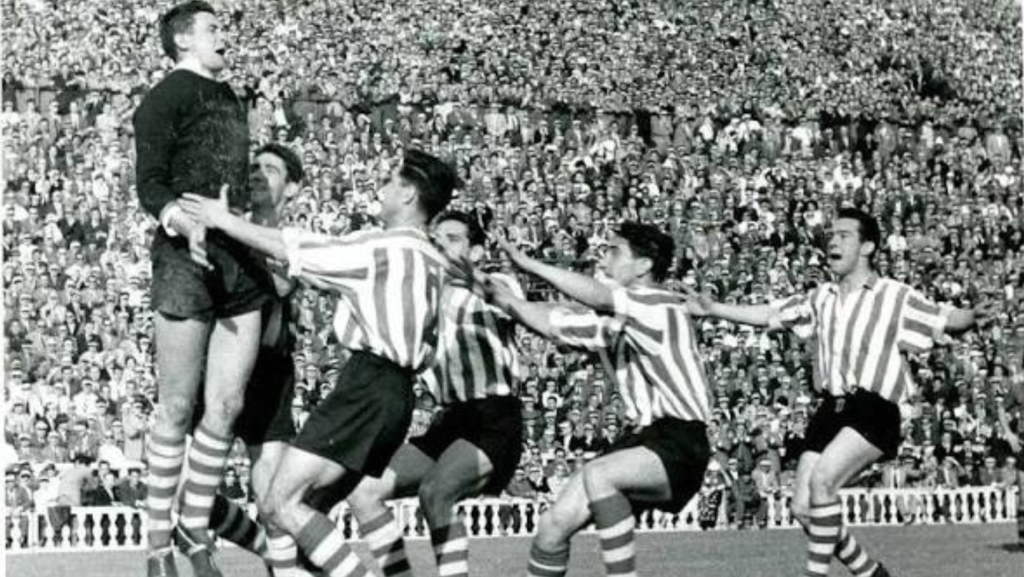
Paradoxically, the club’s colour journey began far removed from red and white. Following its foundation in 1898, the first players wore a white jersey and shorts paired with black socks – an amateur kit very common at British universities such as Oxford. In 1902, the influence of students returning from England led to the import of shirts with navy blue and white stripes, identical to those of Blackburn Rovers, in which the club contested its first Copa del Rey. The definitive turning point that forged the club’s legend occurred purely by commercial chance in 1910, when club director Juan Elorduy travelled to England to renew the team’s kit. Unable to find the usual blue shirts, he purchased forty-five shirts from Southampton F.C., which featured red and white stripes. On 9 January of that same year, the Basque side made their debut in the red-and-white kit, establishing an unmistakable look.
Over the years, the kit gradually took on the understated elegance that characterises it. In 1913, black shorts were officially adopted to add a touch of elegance, and in 1950 the socks moved away from solid black to also feature the red-&-white pattern, achieving complete visual harmony. The following decades marked the transition towards technical modernity. The heavy cotton shirts of the 1960s and 1970s gave way to much lighter fabrics. In 1980, industrialisation arrived with the first contract with Adidas, paving the way in the 1990s for the bold, form-fitting graphic designs of the Italian brand Kappa, which optimised the garments’ fit to the athlete’s body.
Iconic shirts on display at the AC Museoa
A tour of the museum’s display cases offers a unique opportunity to see up close the true crown jewels of Bilbao’s textile history. Among the iconic Athletic Club shirts that evoke the greatest sense of nostalgia is the special centenary kit from 1998, which featured the commemorative ‘1898–1998’ logo embroidered on the chest. A few years later, in 2001, the club took a historic step towards creative independence with the launch of its own brand, 100% Athletic – a milestone in commercial autonomy that set a precedent in European football by allowing the club to manage its intellectual property directly.
Extraordinary textile milestones at the Museum
- Centenary Shirt (1998): Classic elegance with the ‘1898–1998’ embroidery to commemorate the first hundred years of loyalty to Lezama.
- The‘KETCHUP Shirt’ (2004): The controversial and innovative abstract design created by the artist Darío Urzay for European competitions.
- First Sponsorship (2008): The kit that featured the Petronor logo on the chest for the first time, breaking with over a century of commercial purity.
No visit to the museum is complete without stopping to admire the controversial ‘Ketchup Shirt’ designed by the Bilbao-based artist Darío Urzay in 2004. Conceived as a work of contemporary art inspired by the forms of the Basque landscape and the flow of life, its abstract design sparked a heated debate amongst the press and fans, eventually becoming a sought-after collector’s item. Right next to it hangs the 2008 kit, which marked the end of an era of advertising purity on the chest by incorporating the Petronor sponsorship – a delicate step towards financial sustainability that the board of directors successfully managed without altering the essence of the vertical stripes.
The significance of Athletic Club’s red-&-white shirt: identity and belonging
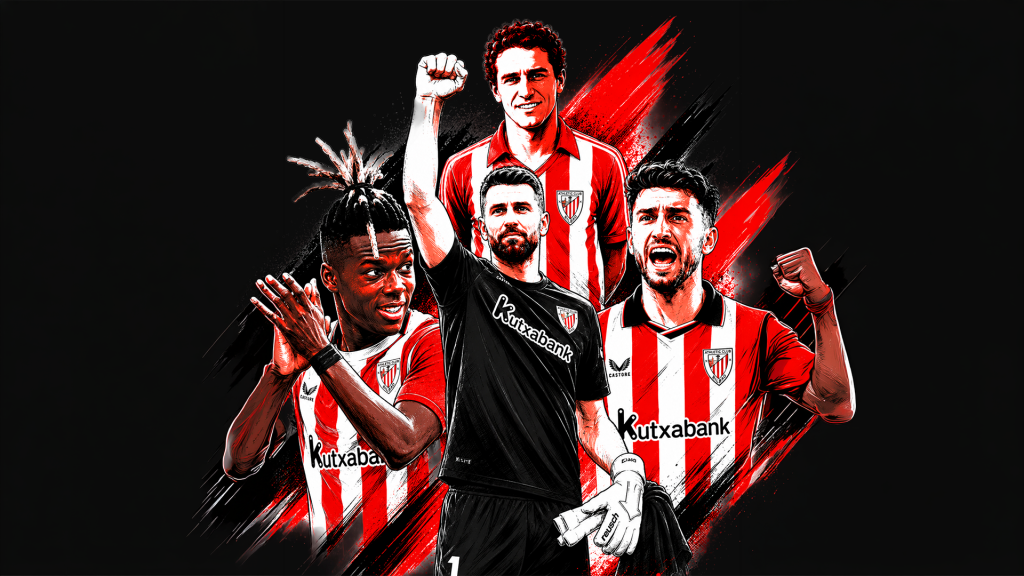
Wearing the Athletic Club kit means taking on the responsibility of upholding an unrivalled sporting model. The latest major evolution of this heritage is embodied in the team’s new kit for the 2026–2027 season, a high-tech design that strongly embraces the philosophy of the ‘Gure Nortasuna’ (Our Identity) campaign. Far from seeking merely to make an aesthetic impact in the shops, this season’s kit reinterprets the traditional stripes by giving greater prominence to the colour white, achieving a clean and highly sophisticated look. The shield has undergone subtle tweaks to its three-dimensional relief, modernising its visual appearance without losing any of its traditional mystique.
The true secret of this design lies in its most intimate details. The texture of the lightweight fabric incorporates a subtle pattern evoking local geographical features, whilst the inscription ‘Gure Nortasuna’ is embroidered on the inside of the collar. This small detail serves as a constant reminder to the player before stepping onto the pitch and to the fans in the stands: defending this shield is an act of loyalty to the region’s roots. This fusion of highly sustainable recycled fibres and a sense of belonging demonstrates that technical innovation is the best way to keep the founding principles of the Basque football academy alive.
AC Museoa: the best place to discover the history of Athletic Club’s shirts
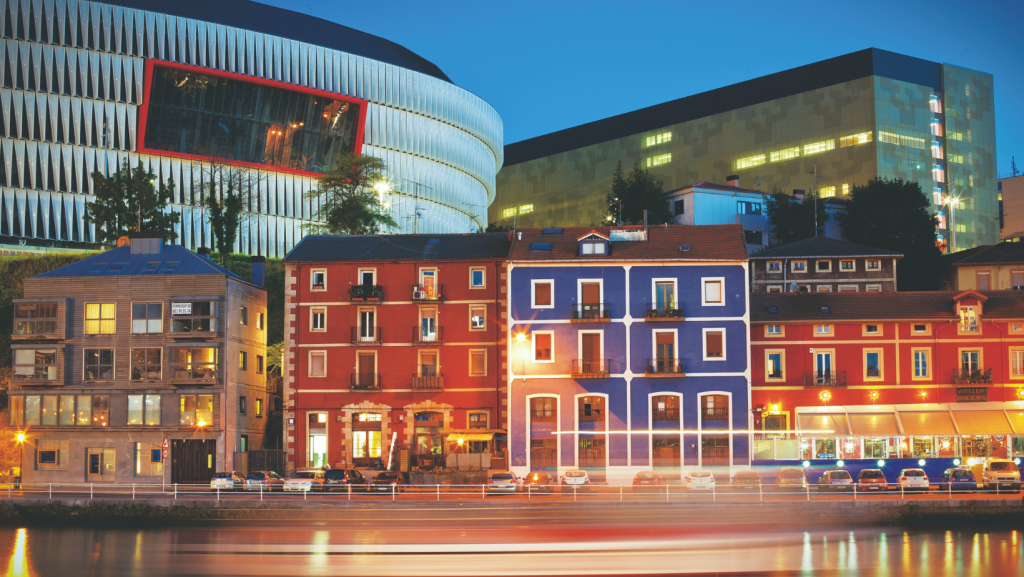
To fully grasp the true significance of this textile journey, the best option is to combine a visit to the display cases with the physical experience of stepping into the stadium. The San Mamés Tour serves as the perfect complement to the exhibition galleries; whilst walking through the changing rooms tunnel and gazing up at the stands of ‘La Catedral’, visitors can feel the energy and the responsibility that comes with pulling on the red-&-white shirt. The museum provides context and history for each garment, whilst the stadium offers the vibrancy of the present. You can plan your day in detail and delve deeper into the evolution of the kits by consulting the official chronicle on the history of Athletic Club’s kit.
The high demand from tourists in the area around ‘La Catedral’, particularly during the competitive season and holiday periods, makes it essential to organise your visit well in advance. To avoid last-minute queues and ensure access to exclusive areas of the ground, such as the dugouts and the VIP box, fans can book their seats in advance and manage their passes via the AC Museoa’s official ticket portal. An unforgettable, immersive journey that will allow you to experience first-hand the past, present and future of a legendary shirt.