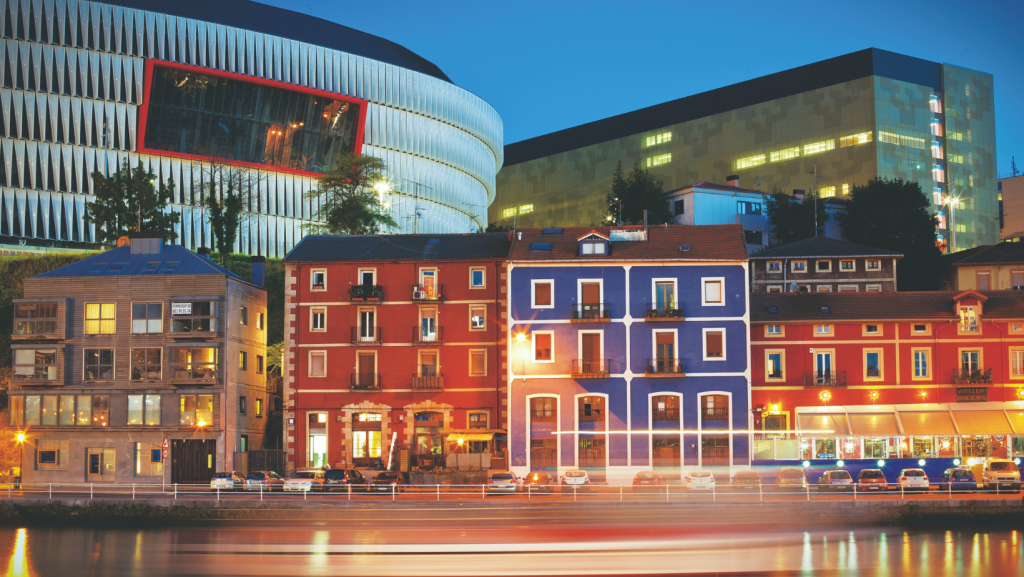
There are names written in gold in the history of San Mamés, but Ernesto Valverde deserves a chapter of his own. With his return to Bilbao and the transformation of the city into one of the most attractive cultural destinations of the moment; it confirmed that ‘Txingurri’ understands the demands, the codes and the soul of this club like no one else. As manager of Athletic Club, Valverde has managed to instil a fierce competitiveness in a squad that combines the experience of veterans with the audacity of the youth academy, restoring the team to the place it rightfully occupies by virtue of its history.
The development of a brilliant style and the rise of the Williams brothers
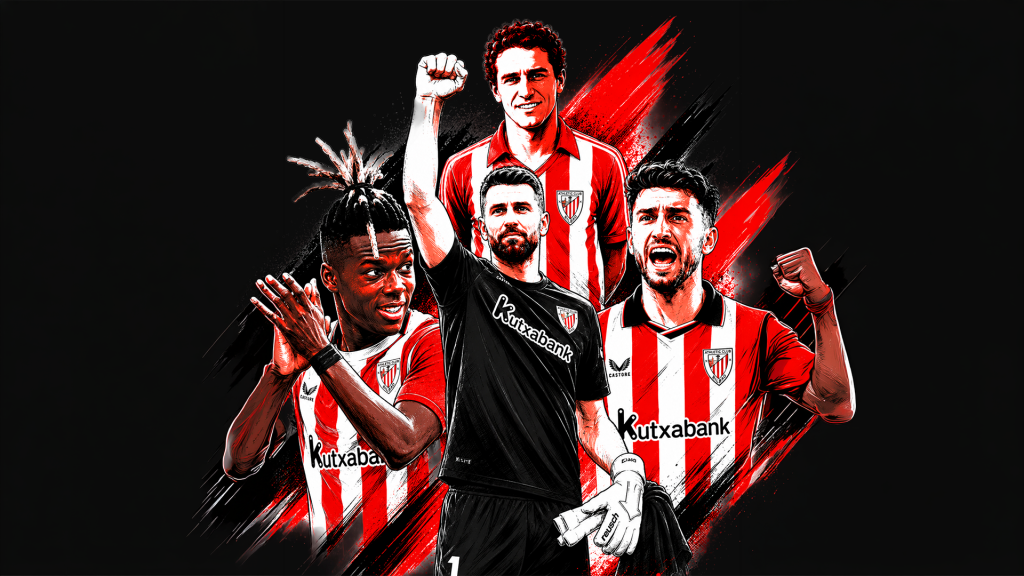
Unlike his previous spells in charge, Valverde’s era at the Cathedral has been characterised by a fascinating tactical evolution. The manager has struck the right balance, combining astonishing defensive solidity with an electric and direct, attacking style of football that prioritises quick transitions and suffocating pressure in the opposition’s half. Much of this success lies in squad management and, very subtly, in the brilliant development of key players. Under the tutelage of the Extremaduran coach, Iñaki Williams has reached his most lethal footballing maturity, honing his attacking movements to become an absolute benchmark.
At the same time, the emergence and rise of his brother Nico Williams has broken all the moulds; Valverde has skilfully channelled his audacity and creativity on the wing to transform him into one of the most game-changing wingers on the international scene. The impact of both players on the system is no coincidence, but the result of a coaching staff that knows how to nurture home-grown talent.
Moments of tension and nights of glory to remember
Of course, the journey has not been without its twists and turns and risky decisions that have sparked debate in the stands. In elite football, the pressure is constant and critical moments test anyone. The course of these seasons has produced matches that have become true milestones, but also difficult afternoons at San Mamés. However, the maturity of the project has been demonstrated by the squad’s ability to bounce back after every setback, fine-tuning their approach at moments of peak competitive tension.
The zenith of this era came with the magical nights of the Copa del Rey, a tournament in which Athletic fought tooth and nail to end historic droughts and unleash madness in Bilbao. If you want to get excited all over again by the team’s camaraderie, the hugs after victories and the squad’s most intimate celebrations, don’t miss this round-up of the seasons best moments and this other video review of Athletic’s journey – perfect visual accounts to grasp the scale of what has been experienced in the City. These feats have brought back the atmosphere of the great UEFA clashes and the ambition to fight for Champions League places.
Ernesto Valverde’s legacy: in the Lezama culture
Ernesto Valverde’s true legacy goes far beyond trophies or tactical diagrams; it is rooted in his emotional connection with the stands and his respect for the Basque philosophy. He has understood the fans’ feelings and managed the dressing room with admirable empathy and ease. His firm commitment to young talent from the academy ensures the club’s future is secure, integrating fresh blood into a solid structure that respects Athletic’s roots. The manager’s mark is deeply intertwined with the club’s identity, something that is palpable when reviewing both Ernesto Valverde’s coaching record and his past on the pitch, reflected in his history as an Athletic Club player.
Having defended this badge on the pitch and, years later, leading the team from the dugout gives him a unique perspective. ‘Txingurri’ already has an enduring presence in the memory of San Mamés; a living history that fans can relive at the AC Museoa through the objects and memorabilia from these memorable seasons that symbolise the unbreakable spirit of our squad.