A football club’s global influence is measured not only by the trophies displayed in its cabinets or the performances of its stars on the pitch. As the world turns its attention to the 2026 FIFA World Cup in North America, Athletic Club once again demonstrates that its unique identity extends far beyond football itself.
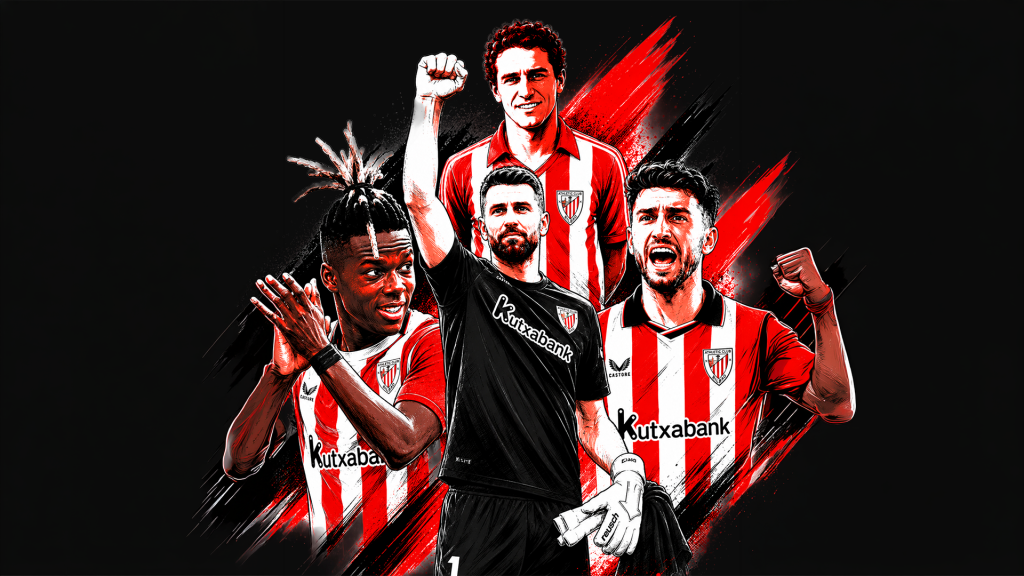
At a time when the red-and-white pride is running high in the presence of homegrown stars such as Unai Simón and Nico Williams on football’s biggest stage, the Bilbao-based institution is also strengthening its international legacy through culture. AC Museoa has established a strong presence at the tournament by taking part in three international football exhibitions that highlight historical memory, migration, and the club’s enduring identity.
AC Museoa’s global reach at the 2026 World Cup
The museum’s cultural global strategy is not aimed at simply joining the spectacle that often surrounds major FIFA tournaments. Instead, it seeks to explore football’s human and social dimensions. This global initiative, which examines historical contexts and Athletic Club’s deep-rooted relationship with Latin America and the United States, creates a powerful connection between past and present.
By contributing graphic materials and historical documents of immense value, the club once again positions itself as a unique example of sporting integrity, capable of sharing its founding values on an international scale.
The three 2026 World Cup exhibitions in which AC Museoa is taking part
The Bilbao museum’s presence at this global football showcase extends across three major cultural venues, each exploring the game from distinctly human perspectives.
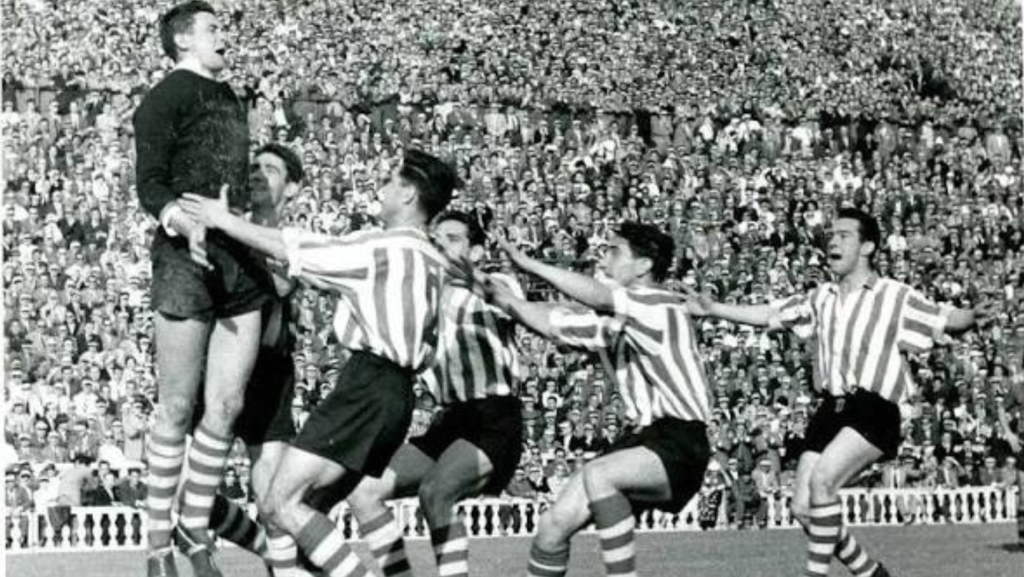
The first exhibition, “When Spain Played in Mexico: Ninety Years of History and Exile”, is hosted at the Casa Cultural de España in Mexico City. The exhibition examines the Basque National Team’s tours during the Spanish Civil War, illustrating how football served as a tool of peaceful resistance and unofficial diplomacy that helped preserve the identity of a people living in exile.
Meanwhile, AC Museoa’s presence in the United States is reinforced through “The People’s Game: Soccer and Human Rights”, hosted at the National Center for Civil and Human Rights in Atlanta. In this thought-provoking exhibition, historical materials provided by Athletic Club contribute to wider conversations about social justice, demonstrating how football can be a powerful vehicle for defending human dignity.
Between Mexico and Bilbao, shared football stories
The centrepiece of this trilogy of exhibitions is “Between Mexico and Bilbao: Shared Football Stories”. Originally opened at the Museo Vizcaínas in Mexico City, the exhibition brings to light the deep historical and family ties that bind the two regions.
The narrative centres on Josemari Belaustegigoitia, one of Athletic Club’s most iconic figures, whose family legacy remains closely connected to the club today. Historical archives, contemporary press reports, and previously unseen photographs help tell the story of the club’s early tours, which brought the Lezama philosophy to the American continent.
The logistics of this cultural project have been carefully planned to maximise its impact before returning home. Following its successful run in Mexico City, the exhibition has moved north to the Museo Arocena in Torreón, where visitors can continue to discover the shared football stories linking Mexico and Bilbao. During the World Cup, the museum will become a focal point for Athletic Club supporters across the Laguna region.
Perhaps most exciting for local fans is that, from November onwards, the club will bring an adapted version of the exhibition back to San Mamés museum display cabinets. This will allow supporters in Bilbao to reconnect with the treasures and stories shared across the Atlantic.
Athletic Club: A cultural reference beyond football
With this international cultural programme taking place during a World Cup year, San Mamés and its inner circle once again demonstrate that football is only the tip of the iceberg of a much deeper structure rooted in collective memory. By focusing on human stories, family ties, and fundamental rights, rather than merely relying on the spectacle of state-of-the-art digital designs, the institution continues to set itself apart from the trends in modern football. Its historical heritage is reaffirmed as a living and dynamic asset.
Those wishing to join this journey through memory and gain a deeper understanding of these defining milestones can explore the club’s archives by booking a visit to AC Museoa and experiencing a unique connection between Bilbao’s heritage and world history.